Introduction
Accessibility is no longer just a compliance requirement or a corporate responsibility initiative. It is increasingly becoming a powerful growth driver and brand differentiator in modern marketing. Businesses that invest in accessibility are not only building more inclusive digital experiences but also unlocking access to one of the largest consumer markets in the world.
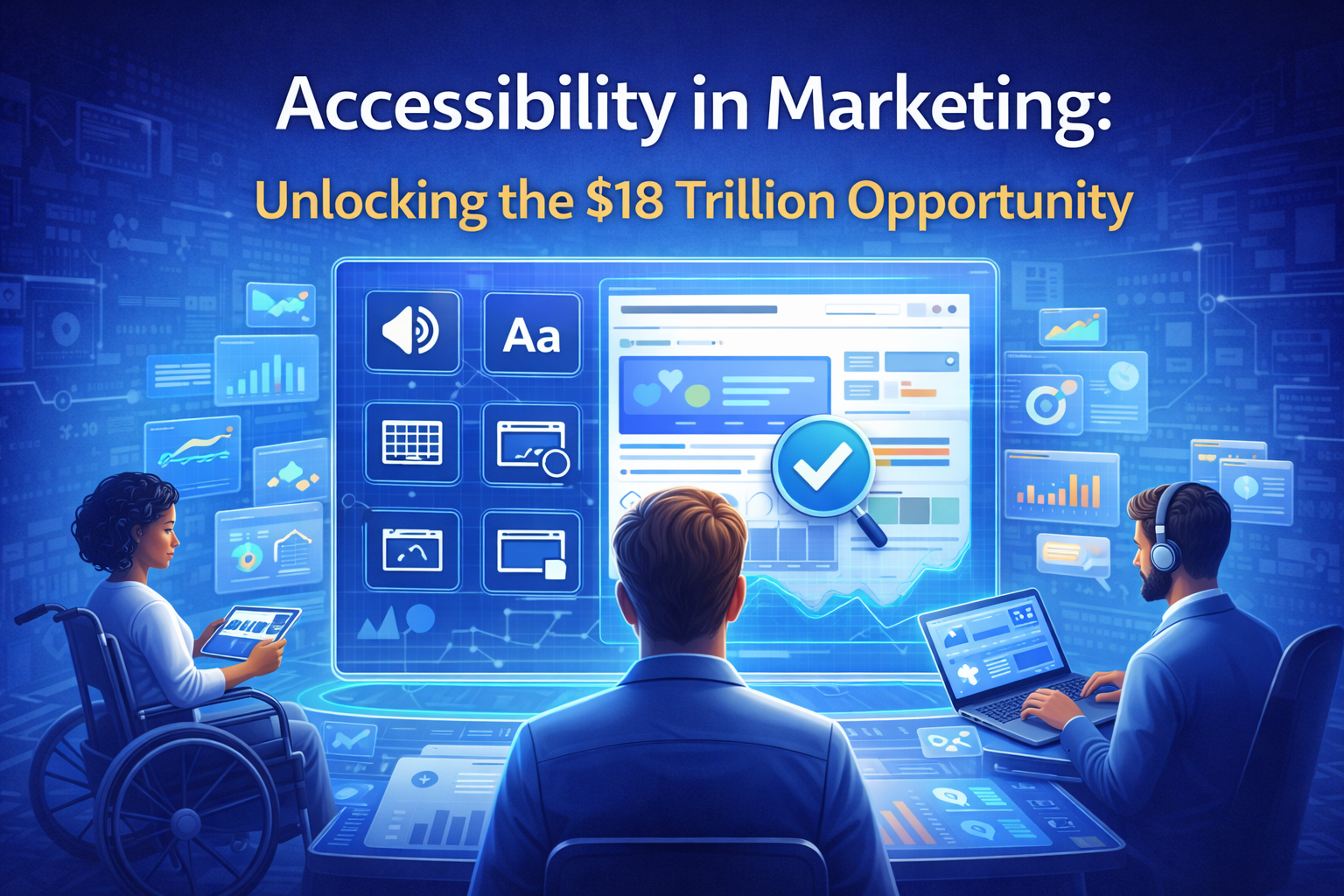
According to industry research, more than 1.3 billion people worldwide live with a disability, and together with their families and communities they represent over $18 trillion in spending power. For marketers, this is a massive opportunity that many organizations are still overlooking.
The lesson for brands is simple: accessibility should not stop at the physical product or retail shelf. It must extend across every customer touchpoint, especially digital experiences such as websites, apps, and online marketing channels.
Why Accessibility Is Becoming a Competitive Advantage
In recent years, accessibility has shifted from being a legal obligation to becoming a strategic advantage for brands.
Companies that build inclusive experiences are gaining several benefits:
- Stronger customer loyalty
- Positive brand perception
- Higher engagement rates
- Increased trust from consumers
- Expanded market reach
When brands incorporate accessibility into their products, marketing campaigns, and digital platforms, they signal that they value inclusivity and equal access.
Consumers increasingly support brands that align with their values. Research shows that younger audiences, particularly Gen Z, prefer purchasing from companies they believe are ethical and socially responsible.
For marketers, accessibility therefore becomes both a social responsibility and a growth strategy.
The $18 Trillion Market Opportunity
One of the most overlooked audiences in global marketing is people with disabilities.
Globally:
- More than 1.3 billion people live with disabilities
- Their combined spending power exceeds $18 trillion
- Their recommendations strongly influence family and community purchasing decisions
This means accessible experiences can lead to:
- Increased brand advocacy
- Higher customer retention
- Organic word-of-mouth marketing
Consumers who find a brand that accommodates their needs are more likely to recommend it to others. This creates a powerful ripple effect that traditional advertising budgets cannot easily replicate.
Brands that ignore accessibility risk losing not only revenue but also trust and long-term loyalty.
Why Many Brands Still Fail at Accessibility
Despite the huge opportunity, many organizations still treat accessibility as an afterthought.
Often, brands invest heavily in:
- Product packaging
- In-store experiences
- Advertising campaigns
However, they neglect their digital experiences, which are usually the first point of contact for modern consumers.
Studies show that many websites still contain hundreds of accessibility issues that prevent people with disabilities from navigating content, completing purchases, or accessing services online.
These issues may include:
- Poor color contrast
- Missing image alt text
- Difficult navigation for screen readers
- Non-accessible forms
- Unclear interface structure
Each accessibility barrier creates friction in the customer journey and may result in lost conversions.
Accessibility Must Be Built Into the Marketing Strategy
Forward-thinking marketing leaders are beginning to embed accessibility directly into their strategy rather than treating it as a technical task.
Here are several ways businesses can integrate accessibility into their marketing approach.
1. Turn Accessibility Into a Campaign Story
Accessibility should not be hidden behind technical documentation. It can become a powerful narrative within marketing campaigns.
Brands that openly highlight inclusive design decisions often receive positive media coverage and customer engagement.
When accessibility becomes part of the story, it strengthens brand authenticity and reputation.
2. Integrate Accessibility Into Brand Guidelines
Accessibility should be treated the same way as other core brand elements such as:
- Typography
- Logo usage
- Color palettes
- Messaging tone
Including accessibility standards in brand guidelines ensures that every campaign, website update, and product launch maintains inclusive design principles.
3. Use Data to Measure Accessibility Impact
Marketing teams rely heavily on analytics to measure campaign performance. Accessibility improvements should also be tracked and connected to business outcomes.
Key metrics may include:
- Reduced user barriers
- Improved website usability
- Higher engagement rates
- Increased conversion rates
- Positive customer feedback
When accessibility improvements are tied to measurable results, it becomes easier for leadership teams to see the return on investment.
4. Treat Accessibility Like Brand Safety
Just as marketers monitor brand safety in advertising placements, accessibility should be monitored across all digital assets.
Every website update, campaign landing page, or new digital feature should be reviewed to ensure it remains accessible to all users.
Maintaining accessibility protects both brand reputation and customer trust.
Accessibility in the Digital Experience
Modern consumers interact with brands primarily through digital channels such as:
- Websites
- Mobile apps
- Social media platforms
- Online stores
- Customer service portals
If these experiences are not accessible, companies risk excluding millions of potential customers.
Accessible design includes:
- Clear navigation structures
- Screen reader compatibility
- Proper color contrast
- Accessible forms and buttons
- Descriptive image alt text
- Keyboard navigation support
These improvements benefit not only people with disabilities but also enhance the overall user experience for all visitors.
The Future of Inclusive Marketing
Accessibility is quickly becoming a defining factor in brand success.
Organizations that lead in accessibility will likely experience:
- Stronger brand trust
- Broader audience reach
- Higher customer loyalty
- Greater long-term growth
Meanwhile, companies that ignore accessibility may face increasing pressure from consumers, regulators, and industry standards.
Inclusive marketing is no longer optional. It is becoming essential for brands that want to remain competitive in the digital economy.
Final Thoughts
Accessibility represents one of the largest untapped opportunities in modern marketing. With more than $18 trillion in global spending power connected to the disability community, businesses that embrace inclusive design are positioning themselves for long-term success.
For marketers, the lesson is clear: accessibility should not stop at the product shelf. It must extend across the entire customer journey, from the first website visit to post-purchase engagement.
Brands that integrate accessibility into their marketing strategy today will be the ones that build stronger relationships, greater trust, and sustainable growth in the future.
Disclaimer
This article is created for informational and educational purposes based on publicly available industry insights and news sources. The opinions and interpretations presented in this article do not necessarily represent the original publisher. Readers are encouraged to review the original article and sources for complete context.
Published by:
Adify Digital Marketing
Website: https://adifydigitalmarketing.com/